Why Rekeying Your Locks Is Essential: Expert Tips and Local Services Available!
Lock rekeying plays a vital role in improving residential security. This becomes especially critical following considerable life changes, like relocating or going through a separation. This method invalidates previously used keys, ensuring that unauthorized individuals cannot access your property. Being aware of when and how to rekey your locks can have a major impact on your personal safety. However, not every rekeying service offers the same level of quality. Taking the proper steps to find the right provider can make a significant difference.
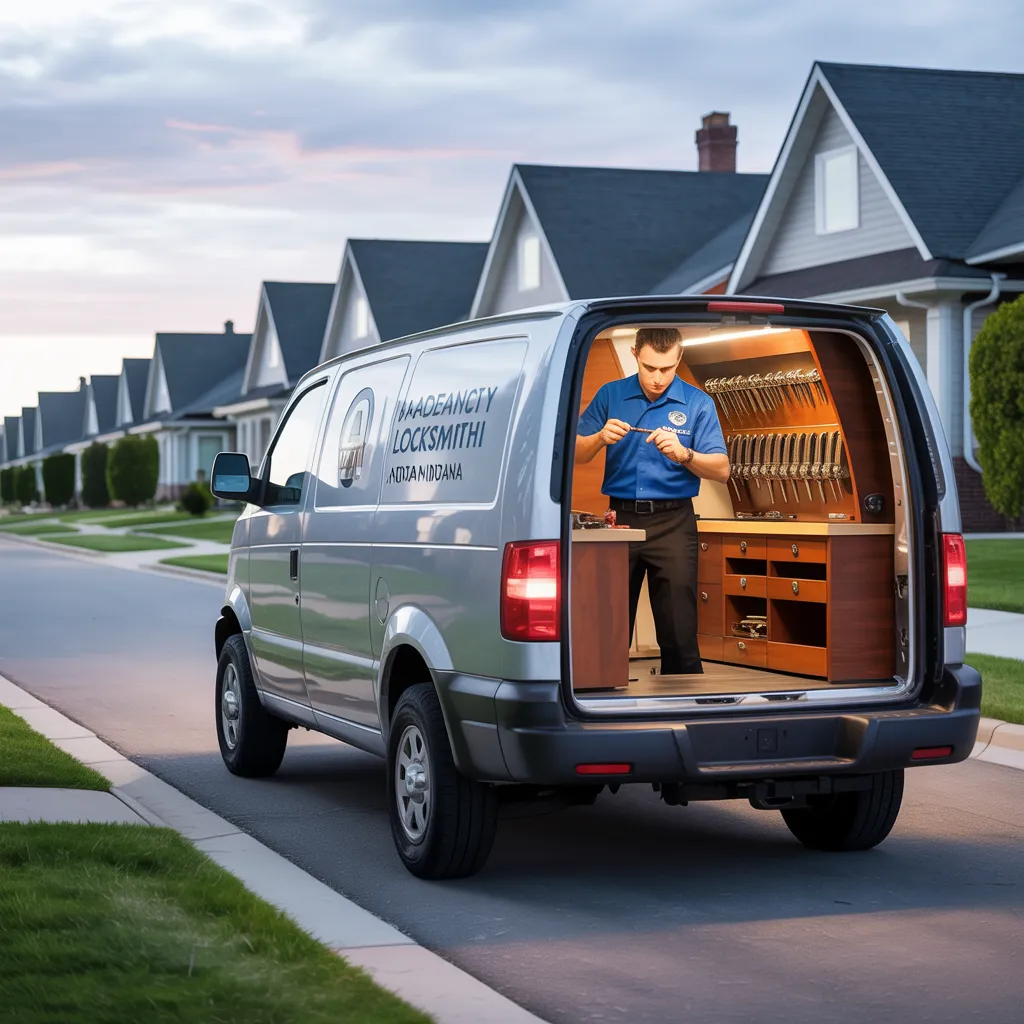
Why Rekeying Is Vital for the Safety of Your Home
Rekeying plays a vital role in improving a home's security, especially when there are concerns about unauthorized access. This method includes modifying the internal components of a lock, making previous keys ineffective while supplying new keys that function perfectly. Property owners frequently encounter circumstances where old keys may still be in use, such as after a move or following a key loss. By completing the rekeying process, they ensure that only authorized persons maintain access to their home.
Furthermore, rekeying offers a budget-friendly solution instead of replacing complete lock systems. It not only strengthens security but also offers peace of mind. Professional locksmiths can quickly perform this task, often within a single appointment. Regular rekeying can be part of a homeowner's safety routine, adapting to changes in living arrangements or security needs. In the end, emphasizing rekeying adds significantly to a home's comprehensive security plan.
When to Think About Rekeying Your Locks
Homeowners ought to think about rekeying their locks in a number of situations in order to preserve security. A frequent situation arises when homeowners relocate to a new property; previous occupants may still have access. In the same way, following a divorce or separation, rekeying ensures that a former partner is unable to access the home. Furthermore, a lost or stolen key presents a considerable security threat, which makes rekeying a wise decision.
For homeowners experiencing repeated lockouts or noticing wear in their lock mechanisms, rekeying is often a highly effective option. Residents may find rekeying valuable during scheduled security enhancements, especially if they are integrating advanced security systems. Furthermore, if the risk of unauthorized key duplication becomes a concern, rekeying delivers much-needed reassurance. Through timely action in these circumstances, homeowners can enhance their security and protect their property effectively.
A Simple Breakdown of How Rekeying Works
Altering the inner mechanisms of a lock take action can significantly improve security without the need for a full replacement. Rekeying involves altering the lock's internal pins and springs to generate a new key that functions with the lock while leaving the old key ineffective. The procedure starts by disassembling the lock cylinder, where the existing pins are removed and replaced with new ones of different lengths. Each pin corresponds to a specific height on the new key. After reassembly, the lock will only function with the freshly cut key. The whole process generally requires less time than a full lock replacement and is frequently more economical. Additionally, rekeying allows homeowners to maintain their current locks while improving security, particularly after misplacing a key or relocating to a new residence. This method provides peace of mind without the expense and effort of a complete lock replacement.
Tips for Choosing the Right Rekeying Service
Picking the best rekeying service can significantly affect the effectiveness and dependability of the security improvement. When selecting a service, it is vital to assess the company's credibility. Browsing online testimonials and seeking recommendations from trusted sources can assist in finding trustworthy specialists.
Furthermore, validating the certifications and background of the locksmith is important. A licensed and bonded locksmith commonly delivers a better level of professionalism. It's also beneficial to ask about the techniques and tools they utilize, as modern methods can strengthen security.
Transparency in pricing is another important factor; a reputable service will provide clear estimates without hidden fees. Additionally, consider the accessibility of the provider. A professional who accommodates varied schedules can handle pressing needs in a timely manner. By evaluating these criteria, individuals can make an informed decision, securing their rekeying needs are met efficiently and effectively.
What to Expect When Paying for Rekeying
When assessing the cost of lock rekeying, individuals should be aware of the various factors that impact costs. Such factors can encompass the complexity of the locking system and the service providers in the area on offer. Being aware of these factors will help in making an informed decision and planning accordingly about expenses.
A Guide to Rekeying Costs
Comprehending the pricing associated with rekeying locks is important for property owners who value convenience and security. Typically, rekeying services range from $20 to $50 per lock, based on the location and service provider. This fee may go higher if multiple locks require service or if complex locking mechanisms are included. Residents should also consider possible travel charges if the locksmith is needed to travel a significant distance. While some people may prefer DIY rekeying kits, working with a professional locksmith ensures the job is performed with precision and care. In the end, choosing professional rekeying services not only improves safety but also delivers confidence, making it a valuable investment for any homeowner.
Variables That Impact Pricing
A number of factors impact the rekeying lock prices, making it essential for residents to be familiar with what to expect. To begin, the kind of lock plays a major role; advanced security locks often require specific tools and professional skills, leading to increased expenses. Moreover, the number of locks needing rekeying has a direct impact on the final expense; rekeying several locks often leads to discounted rates. Labor expenses can fluctuate according to the provider and regional area, with urban areas typically charging more. In addition, if supplementary options, such as emergency rekeying or after-hours service, are necessary, these can further increase expenses. Homeowners should obtain multiple bids and take these elements into account to prepare adequately for lock rekeying services.
Community Service Alternatives
Local service options for rekeying locks can greatly vary, giving homeowners a variety of selections tailored to their needs. Several area locksmiths supply traveling services, allowing technicians to come directly to the residence. This accessibility frequently features same-day availability, which may be critical for emergency circumstances. Costs can vary based on the intricacy of the locks and the number of keys needed. Homeowners should expect transparent estimates before work begins, usually encompassing a detailed outline of work and supplies. It's advisable to check for local reviews and certifications to ensure dependability. Furthermore, certain home improvement shops provide rekeying as another option, which could prove more cost-effective for individuals at ease with self-service tasks.

Leading Local Rekeying Services Close to You
Finding reliable rekeying services can greatly enhance home security. Local locksmiths often provide specialized rekeying services that cater to various needs, from residential properties to commercial establishments. It is important to evaluate customer testimonials and scores to locate dependable specialists.
Many towns have locksmiths available 24/7, guaranteeing quick access to rekeying services in emergencies. A number of well-established businesses supply mobile services, allowing technicians to arrive at the customer's location promptly. Additionally, local hardware stores may carry rekeying kits for those who prefer a hands-on approach, though hiring a trained technician is suggested for the highest quality finish.
Furthermore, local referrals can help in identifying underrated experts that may not market themselves extensively. By reviewing potential candidates and looking for qualified locksmith experts, property owners can confirm their lock rekeying requirements are handled properly and thoroughly. Implementing these strategies can lead to improved peace of mind about property security.
Frequently Asked Questions
Is It Possible to Rekey My Locks on My Own, or Should I Call a Professional?
Rekeying a lock is something individuals with experience in the process can attempt, but working with a skilled expert provides assurance of proper execution and enhanced security. Evaluating one's abilities against the possible risks frequently results in improved outcomes when professional help is sought.
How Much Time Does the Rekeying Process Usually Take?
The process of rekeying usually takes approximately 15 to 30 minutes per lock, influenced by the technician's experience and the complexity of the lock. A skilled professional can ensure efficiency and accuracy, minimizing potential issues during the procedure.
Will Having My Locks Rekeyed Void Any Existing Warranties?
Rekeying locks usually does not invalidate warranties, as the majority of manufacturers permit this procedure. Nevertheless, it is recommended to look over the specific warranty conditions or consult with the manufacturer to guarantee compliance and avoid unintentional issues.
What Tools Do Professionals Use for Rekeying Locks?
Experts generally employ tools like a rekey kit, screwdrivers, pliers, and a cylinder plug follower. These tools assist with taking apart the lock, swapping out the pins, and ensuring proper functionality once the rekeying process has been completed.
How Frequently Should I Think About Rekeying My Locks?
Experts recommend having locks rekeyed every few years or promptly upon key loss, transitioning into a new residence, or encountering a security compromise. Regular rekeying enhances safety and guarantees solely permitted persons can access the property.